Understanding Gabion Walls
Gabion walls are structural elements composed of wire mesh cages, filled with stones or other materials, that serve various purposes in construction and landscaping. Historically, gabions date back to ancient times where they were utilized in military fortifications. The term “gabion” is derived from the Italian word ‘gabbione’, meaning a large cage, signifying their cage-like structure. Over the years, the application of gabion walls has evolved, finding a place in modern landscaping, civil engineering, and erosion control due to their durability and versatile nature.
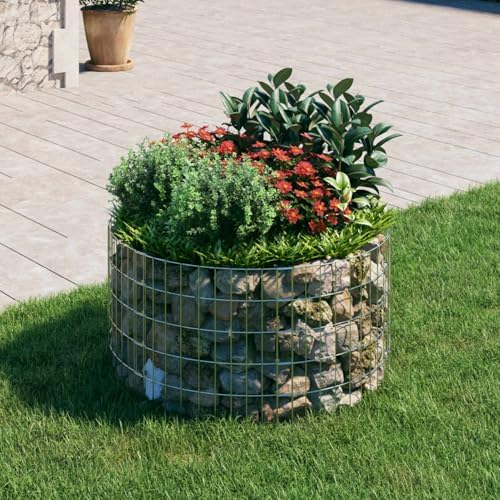
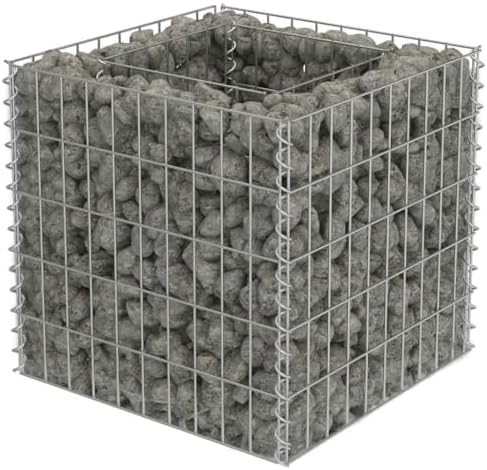
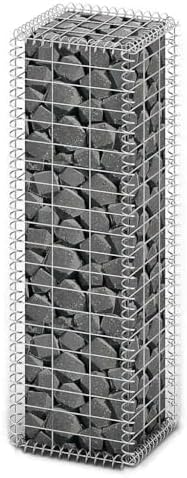


The construction of gabion walls involves the use of steel wire mesh, typically galvanized or coated with PVC to resist corrosion, ensuring longevity. The filling materials can range from natural stones, recycled concrete, or even timber, allowing for aesthetic flexibility and adaptation to various environments. This modular construction approach makes gabion walls both cost-effective and easy to install, positioning them as a preferred option for both residential and commercial projects.
One of the significant advantages of gabion walls lies in their ecological benefits. They provide excellent drainage, allowing water to flow through, which minimizes hydrostatic pressure buildup behind the wall. This characteristic significantly reduces the risk of erosion and landslides, making gabion walls ideal for sloped terrains and areas susceptible to such challenges. Furthermore, gabions promote biodiversity by allowing vegetation to grow between the rocks, supporting local wildlife and ecosystems, adding an environmentally friendly aspect to their use.
With these properties, it is evident why gabion walls are sought after in many construction projects. Their effectiveness in both supporting earth structures and enhancing aesthetic appeal has made them a staple in contemporary design, from serene garden borders to complex civil engineering projects. As we delve deeper into the construction process, it is essential to grasp this foundational knowledge, paving the way for effective and informed implementation of gabion wall solutions.
Planning Your Gabion Retaining Wall
Planning is a crucial phase in the construction of a gabion retaining wall, as it sets the groundwork for both aesthetic appeal and functional strength. Before beginning construction, it is essential to assess the specific conditions of the site. This includes evaluating the soil type, drainage issues, and the surrounding landscape features. Proper site analysis will help determine how the retaining wall will behave under load and its resilience against environmental stresses.
Understanding local regulations is another pivotal aspect of the planning process. Many municipalities have specific zoning laws and building codes that govern the construction of retaining walls. Prior to initiating your project, consult with local authorities or building inspectors to ensure compliance with these regulations, as failure to do so could result in fines or mandatory demolition of your structure.
Another important consideration is the intended purpose of the retaining wall. Whether it is to hold back soil, create terraces, or simply enhance the visual appeal of a landscape, identifying its primary function can greatly influence its design and construction. This understanding will also help in determining the appropriate size and height of the wall. Typically, for taller structures, additional engineering support and design complexity may be required.
Material selection is also vital for a successful gabion retaining wall. The choice of rock or filler material not only contributes to the wall’s structural integrity but also its overall aesthetic. When selecting materials, consider factors such as availability, cost, and compatibility with the surrounding environment. Opt for durable, weather-resistant options that ensure the longevity of the structure.
In conclusion, proper planning encompasses site assessment, regulatory compliance, defining the wall’s purpose, and selecting suitable materials, all of which contribute to the overall success of constructing a robust gabion retaining wall.
Step-by-Step Construction Process
The construction of a gabion retaining wall involves several methodical steps that ensure the structure is stable and effective in soil retention. First, site preparation is crucial. Begin by selecting a location that requires soil support, ensuring you check local regulations and zoning laws. Clear the area of any debris and vegetation, and mark out the wall’s location using stakes and string, taking care to measure the desired height and length accurately.
Once the site is prepared, the next step involves assembling the gabion units. Gabion baskets, typically made of welded wire mesh, should be assembled according to the manufacturer’s instructions. Ensure that the baskets are adequately sized for the weight of the materials they will hold. It’s advisable to use heavy-duty wire mesh for increased durability, especially for walls that will bear significant loads.
Filling the gabion baskets is the next step. It is essential to select appropriate fill materials—typically stone or rock—that offer sufficient weight and stability. Fill the units in such a way that larger stones are placed on the bottom for a stable base while smaller stones are layered on top. As you fill the baskets, ensure that they are well-compacted, as this contributes to the overall integrity of the retaining wall.
Proper alignment and stability of the wall must be ensured throughout the construction phase. The first layer of gabion baskets should be placed level and aligned straight to establish a strong foundation. Each additional layer should be staggered to enhance stability. Incorporating reinforcement options, such as geogrid or soil nails, can provide added durability to the structure. Safety considerations during construction are vital, so workers should always wear protective gear and use appropriate tools to prevent accidents.
Maintenance and Aftercare
Gabion retaining walls are a popular choice for landscape and structural projects due to their durability and aesthetic appeal. However, like any other structure, they require regular maintenance and care to ensure their longevity and effectiveness. It is crucial to establish a routine inspection schedule to monitor the condition of the walls. Ideally, these inspections should be conducted at least twice a year and after significant weather events, such as heavy rains or strong winds.
During these inspections, observe the integrity of the wire mesh and the condition of the stone fill. Common issues to look for include rusting of the wire, displacement of stones, or erosion of soil around the base. If any damage is detected, timely repairs are essential to prevent further deterioration. For rusted wire, applying a protective coating can significantly extend the life of the gabion. Likewise, if stones have been displaced, they should be repositioned to maintain the wall’s structural integrity.
Landscaping can also contribute positively to the maintenance of gabion walls. Vegetative cover may help reduce erosion around the base and provide added aesthetic value. Consider planting native groundcover or ornamental grasses that can thrive in the wall’s environment. These plants not only enhance the wall’s appearance but also support local biodiversity, ultimately promoting sustainability. Additionally, integrating mulch or decorative stones at the wall’s base can help manage soil erosion while complementing the surrounding landscape.
By adhering to routine maintenance and being vigilant for potential issues, the lifespan of gabion retaining walls can be significantly increased, preserving both functionality and beauty in your outdoor space. In conclusion, prioritizing maintenance will ensure your gabion walls remain effective and visually appealing for years to come.