Gabion Walls and Their Benefits
Gabion walls are unique structures composed of rectangular wire mesh containers filled with various materials, typically stones, rocks, or recycled concrete. These cages offer significant structural integrity due to their ability to distribute loads evenly, making them ideal for various applications. The durability of gabion walls stems from their design, which allows them to withstand environmental forces such as water flow, soil erosion, and temperature fluctuations, ensuring longevity and stability.
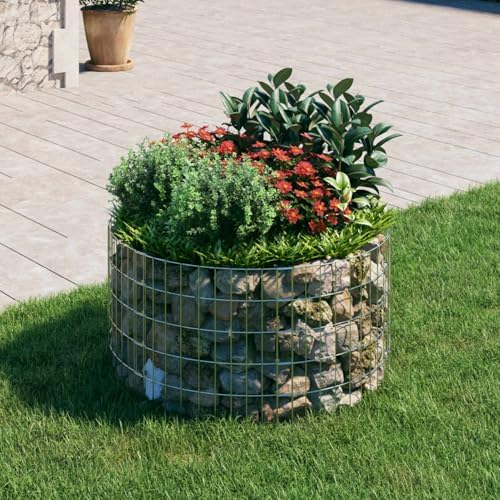
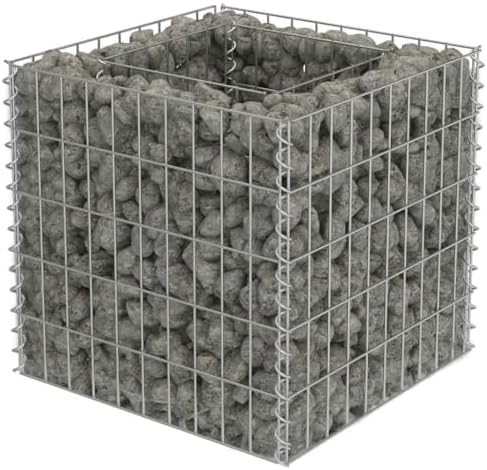
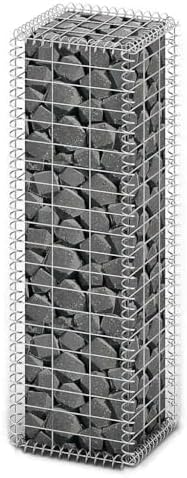


One of the most appealing aspects of gabion walls is their aesthetic versatility. Available in different sizes and filled with an array of materials, they can blend seamlessly into natural landscapes or serve as standout features in landscaping design. This visual appeal makes gabion walls a popular choice for architects and homeowners looking to enhance the beauty of their surroundings while retaining functionality.
Moreover, gabion walls are environmentally friendly. Unlike traditional wall types that often require extensive concrete or mechanical processes for construction, gabions utilize natural materials, reducing the carbon footprint associated with production. Additionally, their permeability allows water to flow through, helping to mitigate issues related to drainage and preventing the buildup of hydrostatic pressure, which is common in solid wall constructions.
Cost-effectiveness is another significant advantage of gabion walls. Their materials are often locally sourced, leading to reduced transportation costs. The ease of assembly further decreases labor expenses, making them an attractive option for both large-scale projects and smaller installations in residential settings. Various applications for gabion walls include landscaping, where they can create terraces or seating areas, as well as in erosion control, where they stabilize slopes and riverbanks. They can also serve as effective noise barriers, providing acoustic insulation in urban environments.
Key Factors to Consider When Selecting Gabion Wall Cages
When embarking on a project involving gabion wall cages, it is crucial to consider several key factors to ensure the structure meets both functional and aesthetic requirements. The material used in the construction of gabion wall cages is of utmost importance. Typically, cages are made from galvanized steel wire, which is resistant to corrosion, but the gauge of the wire can vary. Thicker wires offer better durability and structural integrity, particularly in high-load applications. Furthermore, the coating of the wire, whether it is galvanized, PVC-coated, or made from other materials, influences the longevity and resilience of the gabion. Selecting the appropriate material can significantly impact the lifespan and effectiveness of the wall.
Size and shape also play a pivotal role in the design of gabion cages. Available in various dimensions, selecting the right size is essential based on the specific project requirements. Larger cages can provide a more stable structure, while smaller units may offer better flexibility in complex terrains. The shape of the cages should also align with the intended function of the wall, whether it is for structural support, landscaping, or erosion control.
Permeability and drainage features are additional considerations. Proper drainage is vital to prevent water accumulation, which can lead to soil erosion and structural failure. Gabion walls should ideally allow water to flow through while maintaining the earth behind them. Assessing site conditions, such as soil type and moisture levels, can guide the selection of appropriate gabion types that provide adequate drainage and stability.
Finally, load-bearing capacities must be evaluated to ensure the wall can withstand expected forces, such as lateral soil pressure or environmental impacts like flooding. Understanding the site’s unique conditions and requirements is key to making an informed decision, enhancing the performance and durability of the gabion wall cage.
Tips for Installation and Maintenance of Gabion Walls
Successfully installing gabion walls requires careful site preparation and attention to detail throughout the construction process. Begin by selecting a suitable location; the ground should be stable and well-drained to support the weight of the filled gabion cages. Clear the area of any debris, vegetation, or loose soil to create a solid foundation. Excavate the necessary depth to accommodate both the base and the gabion walls, ensuring that the site is leveled to promote proper drainage.
When assembling the gabion cages, follow the manufacturer’s instructions closely. Most cages are made of galvanized steel wire, providing a durable structure. Make sure to securely attach all edges and corners using heavy-duty ties or clips. Once the cages are assembled, proceed to fill them with appropriate materials. Rock or stone is commonly used; however, recycled materials such as concrete, bricks, or timber can provide an environmentally friendly alternative. Ensure that the filling materials are compacted correctly to optimize the structural integrity of the wall.
A crucial aspect of the installation process is anchoring the gabion walls, which helps prevent shifting or collapse. Utilize soil anchors or rebar to secure the cages, particularly for taller installations. This anchoring system should be designed based on the height and load of the gabion wall, taking local environmental factors into consideration.
Once installed, regular maintenance will help ensure the longevity of gabion walls. Schedule periodic inspections at least twice a year to check for any signs of damage or shifting. Clear out debris and vegetation that may accumulate on the wall’s surface, as this can hinder drainage and encourage corrosion. Reinforcement strategies, such as adding additional filling materials or adjusting surrounding foliage, can also contribute to the wall’s durability.
In summary, adhering to proper construction techniques and establishing a routine maintenance schedule is vital to maintaining the integrity and functionality of your gabion walls.
Exploring Design Options and Aesthetic Enhancements
Gabion walls offer a versatile and sustainable solution for various construction needs, and their design possibilities are nearly limitless. Primarily composed of wire mesh cages filled with materials, the aesthetic appeal of gabion walls can be significantly enhanced by the choice of filling materials. While conventional stones are commonly used, incorporating recycled materials, such as glass or concrete, can create striking visual effects and contribute to eco-friendliness. Such materials bring depth and character to the gabion wall, allowing for unique, customized expressions that reflect individual tastes and project requirements.
The forma of the gabion wall itself also presents a range of design possibilities. Traditional straight walls may serve their purpose adequately, but opting for curved or terraced arrangements can elevate both functionality and aesthetics. Curved designs soften the sharp lines of traditional landscaping, creating a more organic look that harmonizes with nature. Meanwhile, terraced gabion walls can provide functional tiered solutions in sloped areas, cleverly combining landscaping with practical retaining functions while supporting a diverse array of plant growth.
To further enhance the visual appeal of gabion walls, integrating vegetation is an inspiring option. By allowing plants to grow within the cages, homeowners can achieve a natural look while promoting biodiversity. Succulents and local flora can thrive in gaps, making the gabion wall a vibrant backdrop for gardens. Furthermore, enclosing vegetation can help the structure blend seamlessly with its surroundings, making it an integral part of the landscape.
Additionally, incorporating lighting into gabion designs can create dramatic effects, particularly at night. Soft uplighting or embedded illumination can highlight textures, draw attention to vegetation, and create ambiance in outdoor spaces. Thoughtfully designed gabion walls can transform any area into a stunning focal point, providing endless opportunities for personalization and creativity. These considerations pave the way for gabion walls that are not only functional but also beautiful components of your landscape.